
Why a Seat Belt Ticket May Matter Less Than You Fear
Key Takeaways: In most Memphis injury lawsuits, a seat belt ticket generally cannot be used against you. Tenn. Code Ann. § 55-9-604(a) generally bars evidence of seat belt non-use, and of any citation for it, in Tennessee civil cases. This keeps the focus on who caused the crash, even though Tennessee’s modified comparative fault system would otherwise let insurers try to blame you to lower your recovery. The main exception is a products liability claim, such as one over a defective airbag or seat. Even then, the defense must raise the issue in its answer and prove how much a seat belt would have reduced your injuries, and a judge can decide the issue at a hearing with no jury present. Similar rules cover child car seats, but restraint evidence may come in on causation if a party to the case is not the child’s parent or legal guardian. Adjusters may still bring up the ticket during settlement talks, so get medical care, keep records, avoid recorded statements, and talk with an attorney before you respond or pay the ticket.
Many injured drivers and passengers in Memphis worry that a seat belt ticket will ruin their injury claim. In most cases, it should not. Under Tenn. Code Ann. § 55-9-604(a), a jury in a Tennessee civil case generally cannot hear that you were not wearing a seat belt, or that you got a citation or arrest warrant for it. A few narrow exceptions exist, mostly in products liability cases and some cases involving children. If you were hurt in a crash in Memphis, Germantown, Collierville, or nearby, understand these rules before you talk to an insurance adjuster.
If you got a seat belt ticket and are worried about your claim, Pickford Law can review your situation. Call 901-424-1920 or contact us now for a free case review, in person or over Zoom.
What Tennessee Law Says About Seat Belt Citation Evidence
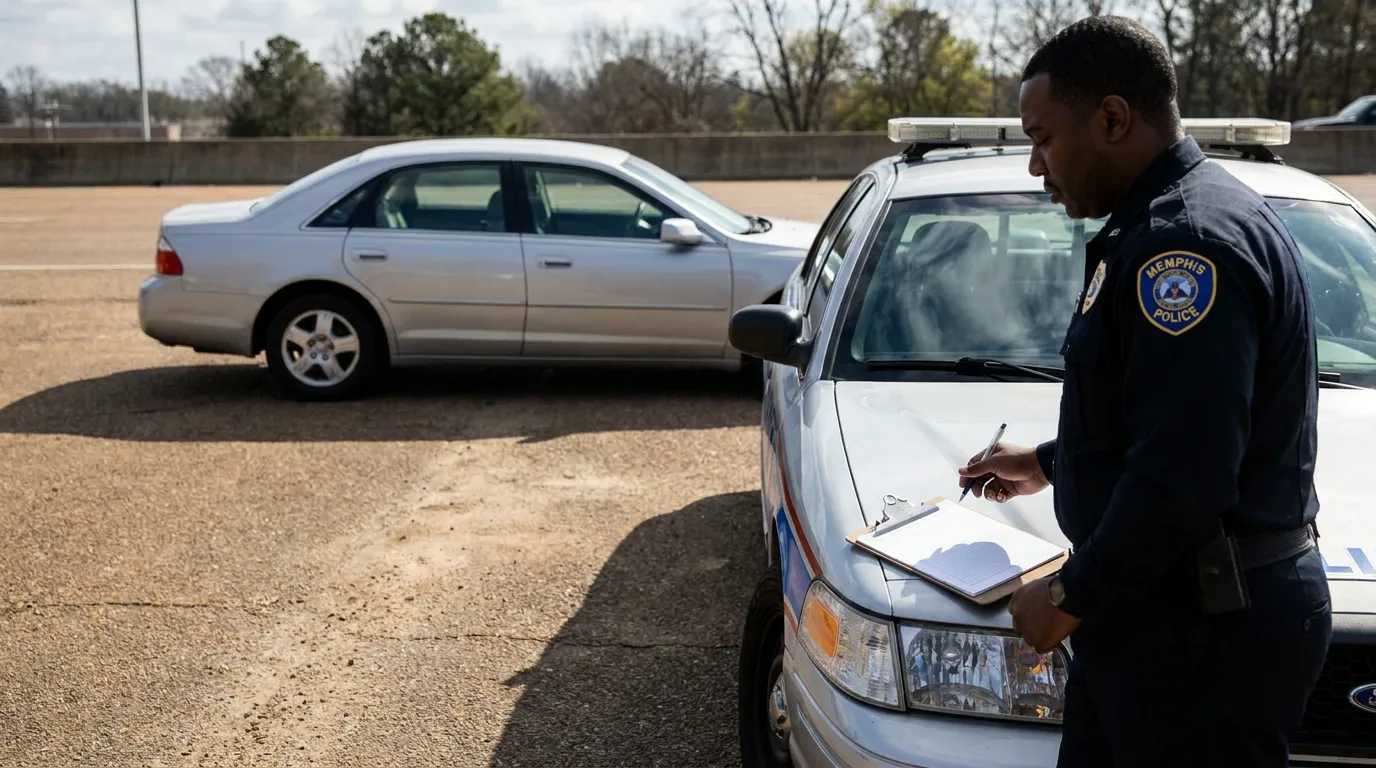
Tennessee law strongly protects injured people when it comes to seat belt citation evidence. Tenn. Code Ann. § 55-9-604(a) provides that failing to wear a safety belt, or receiving a citation or arrest warrant for it, "shall not be admissible into evidence in a civil action," subject to limited exceptions. The defense in a typical Memphis car accident lawsuit generally cannot show the jury your ticket or argue that you were unbelted.
This rule exists even though Tennessee requires people to buckle up. Under Tenn. Code Ann. § 55-9-603, the driver and front seat passengers of a passenger motor vehicle must wear a seat belt. Separate rules apply to children. You can still get a traffic ticket for not buckling up, but traffic court handles that separately from your injury lawsuit.
Why the Legislature Limited This Evidence
Tennessee lawmakers chose to treat seat belt non-use differently from other kinds of fault. A Tennessee Bar Association Journal article calls certain statutory limits on comparative fault "get out of jail free cards". The seat belt statute is one of these limits, so the case generally stays focused on who caused the crash.
How Comparative Fault Interacts With Seat Belt Evidence
Seat belt evidence matters because Tennessee uses a modified comparative fault system. In McIntyre v. Balentine, 833 S.W.2d 52 (Tenn. 1992), the Tennessee Supreme Court replaced the old contributory negligence rule. An injured person may recover damages only if their share of fault is less than the combined fault of the other parties, which in practice means less than 50%. Any recovery is then reduced by the plaintiff’s own percentage of fault.
This is why insurance companies may try to bring up your seat belt. If they could assign you a share of fault for not buckling up, they might pay less. Tenn. Code Ann. § 55-9-604(a) generally blocks that tactic in ordinary negligence cases between drivers. To learn more, read our guide on Tennessee’s modified comparative fault rules.
What This Means in a Typical Memphis Crash
If a careless driver hurt you on I-240, Poplar Avenue, or Lamar Avenue, the seat belt ticket should generally stay out of the trial. The case usually centers on the other driver’s negligence, causation, and your damages, which may include medical bills, lost wages, pain and suffering, and vehicle repair costs. Still, adjusters sometimes bring up seat belt use during settlement talks. Knowing the law helps you avoid taking a lower offer than your claim may support.
💡 Pro Tip: If an adjuster mentions your seat belt ticket during a recorded statement or settlement talk, you do not have to argue about it then. Write down what was said and talk with an attorney before you respond.
When the Seat Belt Defense Can Come Into Play
The seat belt defense is narrow in Tennessee and applies only in specific cases. Under Tenn. Code Ann. § 55-9-604(a)(1), a court may admit seat belt evidence only if the plaintiff has filed a products liability claim, such as a claim over a defective airbag, seat, or vehicle part. Even then, the defense may use the evidence only to argue that not wearing the belt caused the injuries claimed. Ordinary negligence claims between drivers do not qualify.
Even in a products liability case, the defense must clear several hurdles:
- Pleading requirement: Under Tenn. Code Ann. § 55-9-604(a)(2), the defendant must raise the defense in its answer or in a timely amendment. A defendant that does not plead it properly may lose the right to use it.
- Burden of proof: Under Tenn. Code Ann. § 55-9-604(a)(3), each defendant must prove that you were not wearing a belt, that wearing one would have reduced your injuries, and by how much.
- Hearing without the jury: Under Tenn. Code Ann. § 55-9-604(b), any party can ask the judge to hold a hearing without the jury present to decide whether the evidence comes in.
That burden of proof can be heavy. Proving how much a seat belt would have reduced specific injuries often takes detailed medical and engineering testimony.
The Value of a Pretrial Hearing
The hearing under Tenn. Code Ann. § 55-9-604(b) can keep a seat belt ticket away from the jury until the judge has ruled. Jurors may have trouble ignoring something once they hear it, so this hearing lets your attorney challenge the evidence first.
Special Rules for Children and Car Seats
Tennessee applies similar protections to child car seats, with one key difference. Under Tenn. Code Ann. § 55-9-602(k)(1), a court generally cannot admit failure to use a child car seat or other child restraint in a civil action. The same products liability exception, pleading requirement, and burden of proof apply. Under Tenn. Code Ann. § 55-9-602(k)(2), any party can also request a hearing without the jury present.
The difference involves who is a party to the case. Under Tenn. Code Ann. § 55-9-602(k)(3), if a party to the case is not the child’s parent or legal guardian, the court may admit evidence that the child was not restrained to show whether that caused the injuries. This can matter where a grandparent, babysitter, rideshare driver, or family friend was driving the child.
| Situation | Is Restraint Evidence Generally Admissible? | Governing Statute |
|---|---|---|
| Adult, ordinary negligence claim | No | Tenn. Code Ann. § 55-9-604(a) |
| Adult, products liability claim properly pleaded | Possibly, on causation only | Tenn. Code Ann. § 55-9-604(a)(1)-(3) |
| Child, parent or guardian is the only relevant party | No, subject to the products liability exception | Tenn. Code Ann. § 55-9-602(k)(1) |
| Child, a party is not the parent or guardian | Possibly, on causation | Tenn. Code Ann. § 55-9-602(k)(3) |
Practical Steps to Protect Your Claim After a Ticket
A seat belt ticket does not mean you should give up on seeking compensation. Get prompt medical care and follow your treatment plan. Keep copies of the police report, medical records, photos of the scene, and proof of lost wages.
Be careful about what you say to insurers. They may take statements about your seat belt, your injuries, or how the crash happened out of context. You can politely decline to give the other driver’s insurer a recorded statement until you have talked with a lawyer. Discuss how to resolve the ticket with an attorney.
💡 Pro Tip: If your airbags, seat belt, or seat failed in the crash, keep the vehicle if you can. A possible products liability claim may trigger the seat belt statute’s exception, so have a lawyer review it early.
Frequently Asked Questions
1. Can the other driver’s insurer reduce my settlement because I got a seat belt ticket?
An adjuster may try to raise it, but Tenn. Code Ann. § 55-9-604(a) generally bars this evidence in civil cases. In an ordinary negligence case, the defense cannot use the ticket at trial to reduce your recovery.
2. Does the seat belt rule apply to back seat passengers?
Tenn. Code Ann. § 55-9-604(a) refers broadly to failure to wear a safety belt in a civil action, so it is not limited to front seat riders. Different rules apply to children under Tenn. Code Ann. § 55-9-602, so have an attorney review the details.
3. What if I plan to sue a car manufacturer?
Filing a products liability claim may open the narrow exception in Tenn. Code Ann. § 55-9-604(a)(1). The defendant must still plead the defense and prove that you were unbelted, that a belt would have reduced your injuries, and by how much.
4. My child was hurt while a relative was driving. Can car seat use be raised?
It may be. Under Tenn. Code Ann. § 55-9-602(k)(3), if a party is not the child’s parent or legal guardian, the court may admit evidence that the child was not in a car seat or other restraint to show whether that caused the injuries.
5. Should I just pay my seat belt ticket?
The traffic ticket is separate from your injury lawsuit. Because Tennessee law generally keeps the ticket out of civil cases, many people pay it. Still, paying a ticket usually counts as admitting the violation, so talk with an attorney first.
Moving Forward After a Memphis Crash
Tennessee law generally keeps a seat belt ticket from being used against you in an injury lawsuit. Under Tenn. Code Ann. § 55-9-604(a), courts generally cannot admit either the failure to wear a belt or the ticket itself. The seat belt defense applies only to products liability claims, and a judge can test it at a hearing without the jury. Child car seat cases follow similar rules, with an added exception when a party is not the child’s parent or legal guardian.
If you have questions about a seat belt ticket after a crash, a seat belt defense lawyer at Pickford Law can explain how these rules may apply to you. Call 901-424-1920 or schedule your free consultation today. You can also learn more about our work as a Memphis car accident lawyer team serving Memphis and nearby communities.
Disclaimer: This content is for informational purposes only and is not legal advice. Every case is unique, and results may vary. Consult an attorney about your specific circumstances.